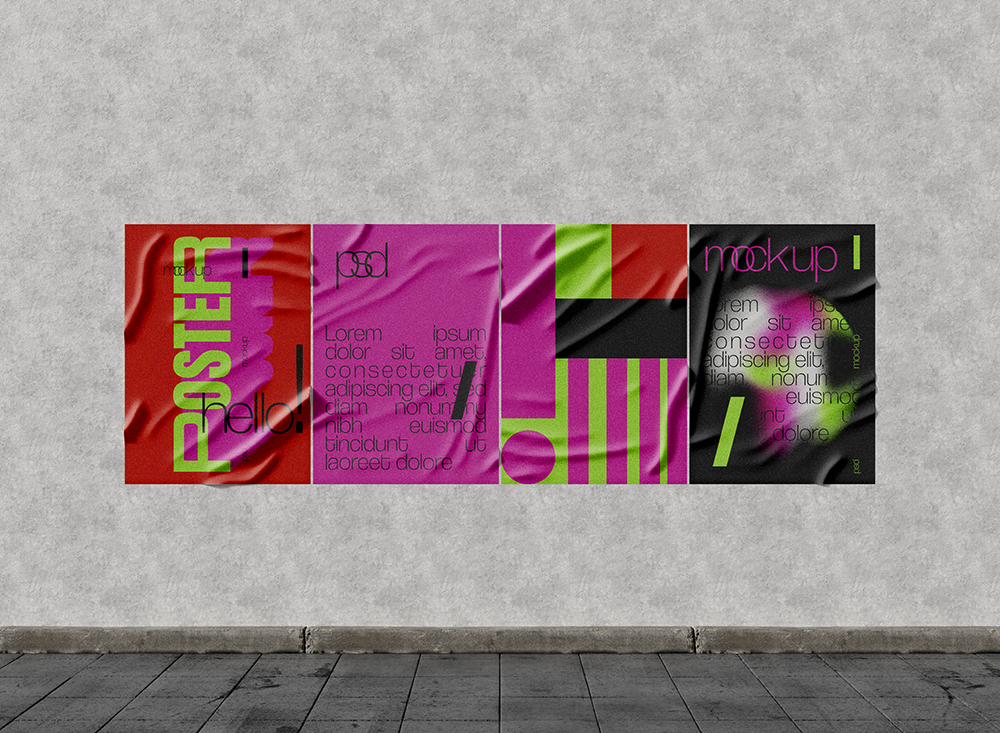

Wheatpaste Posters Economical

  • Size *

  • Sides *

  • Material *

  • Quantity *

  • Turnaround Time *

  • Upload (Front) *

    Max file size: 200 MBPermitted file types: jpg jpeg jpe gif png pdf eps

  • Get Sheet Value *

  • Weight Calculation *

Wheatpaste Poster Specifications:

Print Cheap Wheatpaste Posters:

Sizes Available:

  • 18″ x 24″
  • 20″ x 30″
  • 24″ x 36″
  • 27″ x 40″
  • 48″ x 72″
  • Custom Size (Contact us)

Paper:

  • 6 Mil Satin Paper (Printed at 70% Ink Saturation Economy)

Turnaround Time:

  • 4 Business Days
  • Rush Service

Order Turnaround:

Cutoff time for all orders is 8:00 AM PST (Monday-Friday). Orders placed after cutoff time will be reconciled the following business day. Please note, turnaround time does not include Digital proof preparation.


Street Smart Marketing: The Power of Wheatpaste Poster Advertising

In the bustling streets of cities around the world, wheatpaste poster advertising has emerged as a creative and impactful way for businesses, artists, and activists to reach a wide audience and make a statement. In this article, we’ll explore the art and strategy behind wheatpaste poster advertising, its unique advantages, and how it’s reshaping the landscape of urban marketing.

What is Wheatpaste Poster Advertising?

Wheatpaste poster advertising, also known as flyposting, involves affixing posters to public surfaces using a mixture of flour, water, and adhesive (known as wheatpaste). This guerrilla marketing technique allows advertisers to display their message in high-traffic areas such as city streets, alleyways, and building facades, reaching pedestrians and motorists with minimal cost and maximum impact.

Creativity and Expression

Wheatpaste poster advertising offers artists, designers, and brands a canvas for creative expression and storytelling. From bold graphics and vibrant colors to thought-provoking messages and intricate designs, wheatpaste posters capture attention and spark conversation among passersby. Unlike traditional advertising mediums, wheatpaste posters allow for unfiltered creativity and freedom of expression, making them a popular choice for artists and activists seeking to engage with the public on social, political, and cultural issues.

Guerrilla Marketing Tactics

As a form of guerrilla marketing, wheatpaste poster advertising relies on unconventional tactics to generate buzz and drive engagement. By strategically placing posters in high-traffic areas and unexpected locations, advertisers can maximize visibility and create a sense of intrigue and curiosity among viewers. The ephemeral nature of wheatpaste posters adds to their allure, as they may be quickly covered or removed by authorities, further heightening their impact and appeal.

Community Engagement and Street Culture

Wheatpaste poster advertising is deeply rooted in street culture and community engagement, reflecting the diverse voices and perspectives of urban populations. From local businesses promoting events and products to grassroots activists raising awareness for social causes, wheatpaste posters serve as a platform for amplifying voices and fostering dialogue within communities. Their DIY aesthetic and grassroots appeal resonate with audiences who appreciate authenticity and raw expression in public spaces.

Legal and Ethical Considerations

While wheatpaste poster advertising offers a creative and cost-effective way to reach a broad audience, it’s essential to consider the legal and ethical implications of this marketing strategy. Depending on local regulations and property ownership, flyposting may be subject to fines or penalties for vandalism and trespassing. Advertisers should obtain permission from property owners or seek out designated locations for wheatpaste poster advertising to ensure compliance with local laws and regulations.

Conclusion: Harnessing the Power of Wheatpaste Poster Advertising

In conclusion, wheatpaste poster advertising represents a dynamic and impactful form of street marketing that allows brands, artists, and activists to engage with urban audiences in authentic and creative ways. By harnessing the power of wheatpaste posters, advertisers can amplify their message, spark conversation, and leave a lasting impression on passersby in cities around the world. As urban landscapes continue to evolve, wheatpaste poster advertising remains a powerful tool for street-level engagement and community expression.

Wheat Paste Posters: Application, Benefits, and Printing

Wheat paste posters have been an iconic and effective medium for street art, protest movements, guerrilla advertising, and artistic expression for decades. Their history spans back to the early 20th century when street artists and activists used this inexpensive technique to spread political messages, promote events, or display artwork. With modern technological advancements, wheat paste posters continue to be a powerful and eco-friendly option for creatives and businesses alike.

In this article, we’ll explore the following:

  1. How to Apply Wheat Paste Posters
  2. Benefits of Using Wheat Paste Posters
  3. Best Practices for Printing Wheat Paste Posters

1. How to Apply Wheat Paste Posters

A. Preparing the Wheat Paste

Wheat paste is a simple adhesive mixture primarily made from water and wheat flour. Here’s a quick recipe to prepare it:

Ingredients:

  • 1 part wheat flour
  • 3 parts water

Instructions:

  1. Boil water in a large pot.
  2. Slowly whisk the wheat flour into the boiling water, ensuring no lumps form.
  3. Stir continuously until the mixture thickens into a paste-like consistency (similar to glue).
  4. Once thickened, let it cool to a manageable temperature before use.

For added strength and durability, you can mix in a small amount of sugar, which will help the paste adhere more securely to rough surfaces. Some users also add a little wallpaper glue or cornstarch for extra stickiness.

B. Materials Needed for Application:

  • Pre-printed poster(s)
  • Wheat paste (homemade or purchased)
  • A wide paintbrush or roller
  • A bucket to hold the wheat paste
  • Gloves (optional but recommended)
  • A sponge or rag for cleanup

C. Applying the Poster:

  1. Choose Your Surface: Ideal surfaces include walls, concrete, brick, or wood. Make sure the surface is clean and dry for better adhesion. Outdoor locations exposed to wind, rain, and sun require extra care to ensure longevity.
  2. Prepare the Poster: Lay your poster out on a flat surface. If the poster is large, cut it into manageable sections for easier application.
  3. Apply the Paste to the Wall: Use the brush or roller to apply a layer of wheat paste to the wall. Ensure it’s an even coating, as uneven application can cause the poster to wrinkle or tear.
  4. Position the Poster: Place the poster onto the freshly pasted surface, starting from the top and smoothing it downward. Press firmly to remove air bubbles or wrinkles.
  5. Secure the Poster: Once the poster is applied, brush a final layer of wheat paste over it. This acts as a protective seal, bonding the paper to the surface and increasing its weather resistance.
  6. Let It Dry: Allow the poster to dry fully. Depending on weather conditions, it could take a few hours to a full day.

D. Post-Application Maintenance:

While wheat paste posters are relatively durable, especially when sealed with a top layer of paste, extreme weather conditions (rain, snow, wind) can eventually wear them down. Applying paste on top of the poster helps extend its lifespan.


2. Benefits of Using Wheat Paste Posters

A. Cost-Effective

Wheat paste is incredibly inexpensive to make compared to modern adhesives and large-scale printing methods. With just flour and water, you can create large quantities of glue to apply multiple posters. This makes it a preferred option for those on a tight budget—such as activists, small businesses, and independent artists—who need an affordable way to distribute information or art on a large scale.

B. Eco-Friendly

Wheat paste is biodegradable, non-toxic, and made from natural ingredients. Unlike synthetic adhesives or plastic-based posters, the materials break down naturally over time, reducing environmental impact. Wheat paste posters are a sustainable option for artists concerned about their carbon footprint.

C. Flexibility for Creative Expression

Wheat paste posters provide artists with a unique way to reach the public without the limitations of traditional gallery spaces. These posters can range from intricate artistic works to simple text-based messages, giving creators the freedom to experiment with styles and content in public spaces.

D. Effective for Guerrilla Marketing

For businesses and event organizers, wheat paste posters serve as a direct, eye-catching form of advertisement. Whether promoting concerts, pop-up events, or indie films, wheat paste posters can be strategically placed in high-traffic areas to grab the attention of pedestrians. Since they are quick to apply and inexpensive to produce, they allow for guerrilla marketing tactics that can achieve widespread visibility at a low cost.

E. Historical Significance and Nostalgia

The use of wheat paste posters has roots in political protests and social movements. By using this medium, creators are tapping into a tradition of art and activism, adding a layer of historical and cultural significance to their work. There’s also a nostalgic aspect to this art form that appeals to those familiar with the rebellious art scenes of past decades.


3. Best Practices for Printing Wheat Paste Posters

Wheat paste posters can be printed using various methods, depending on the desired style and scale. Here’s a breakdown of the most common printing options:

A. DIY Printing: Screen Printing or Block Printing

For small batches or highly artistic pieces, many creators choose to hand-print their posters using techniques like screen printing or block printing.

  1. Screen Printing: This technique involves creating a stencil (screen) of the design and manually pressing ink through the stencil onto the poster paper. It gives a handmade, artisanal feel to each piece.
  2. Block Printing: Block printing involves carving the design into a wooden or linoleum block, inking the block, and then pressing it onto paper.

Pros: Both methods allow for creative control and produce distinct, one-of-a-kind posters. Cons: They are time-consuming and require some skill and experience.

B. Digital Printing (Inkjet or Laser Printing)

For larger quantities or more intricate designs, digital printing is the most efficient and practical option.

  1. Inkjet Printers: Produce high-quality color prints and can handle detailed images and vibrant colors. These are ideal for photographic posters or more graphic-heavy designs.
  2. Laser Printers: Generally faster and cheaper than inkjet printers but best for black-and-white or simple graphic posters. The paper used with laser printers is more water-resistant, making it a better choice for outdoor applications.

Best Paper for Wheat Paste Posters:

  • Bond Paper: Commonly used for posters, it is lightweight and inexpensive.
  • Recycled Paper: Environmentally friendly and can add a rustic, textured feel to your posters.
  • Newsprint: Another inexpensive option, newsprint is ideal for temporary posters that will be replaced often.

C. Large-Scale Printing

If you’re printing hundreds of posters, you might consider using a commercial printing service. These services offer bulk printing at lower per-unit costs and can provide various paper weights and finishes that suit wheat paste application.

Tips for Choosing the Right Paper:

  • Choose a matte finish to reduce glare and ensure better adhesion when applying paste.
  • Lightweight paper is preferable as it sticks better and is easier to apply to uneven surfaces.

Conclusion

Wheat paste posters offer a versatile, eco-friendly, and cost-effective solution for artists, activists, and businesses. The simplicity of the paste’s preparation and application, combined with the creative potential of the posters, makes this a timeless medium that thrives in modern street culture and marketing. Whether you’re advertising an event, spreading a political message, or showcasing your art, wheat paste posters allow you to communicate your ideas in an engaging and powerful way.

The ability to print posters at home, combined with the rich history of wheat paste as a medium for expression, ensures that this method will continue to have a significant impact in the worlds of street art, activism, and guerrilla advertising for years to come.

Shipping Timeframes

California

shipping times based on Pacific Standard Time product shipping information
Guru Printers produces all orders respective to when they are processed and batched on the production queue. Although, we try our best to produce all orders accordingly based on your geographical proximity to a production facility, we cannot make any guarantees that your item will be produced out of a specific location.

File Setup

In order to ensure your files are print-ready, we recommend that you upload them in PDF format. When you generate a print-ready PDF, your computer will use the settings in Adobe Acrobat Distiller or any other PDF generating programs you may use. Please make sure that these are set properly before generating your PDF file.

If you are uploading PDF files created in Photoshop, please be sure all layers are flattened.

We also accept .JPG (JPEG), and .TIF (TIFF) file types, however PDF is the preferred format.

Check your file to make sure it meets our file creation guidelines. This will help speed up the production of your project and give your printed piece the best results.

  1. Use the CMYK colorspace (Cyan, Magenta, Yellow, blacK). These are industry standard printing colors. CMYK colors are different than RGB (Red, Green, Blue), which are used to display colors on your screen.
  2. Use a minimum resolution of 300 dpi for image files.
  3. Specify trim area with crop marks. (Don’t place crop marks inside the work area.)
  4. Artwork should have 1/8″ (0.125″) bleed extending past the trim line. This is to prevent minor cutting variations from leaving unintended results at the trim edge.
  5. Safe Area is the 1/8″ (0.125″) area inside the trim line. Do not put critical information or images within the Safe Area. This is to prevent minor cutting variations from leaving unintended results at the trim edge.
  6. If you want printed borders, they must be placed a minimum of 1/8″ (0.125″) inside the trim line and include bleed. This is to prevent minor cutting variations from leaving unintended results at the trim edge.

View our File Setup Templates